-
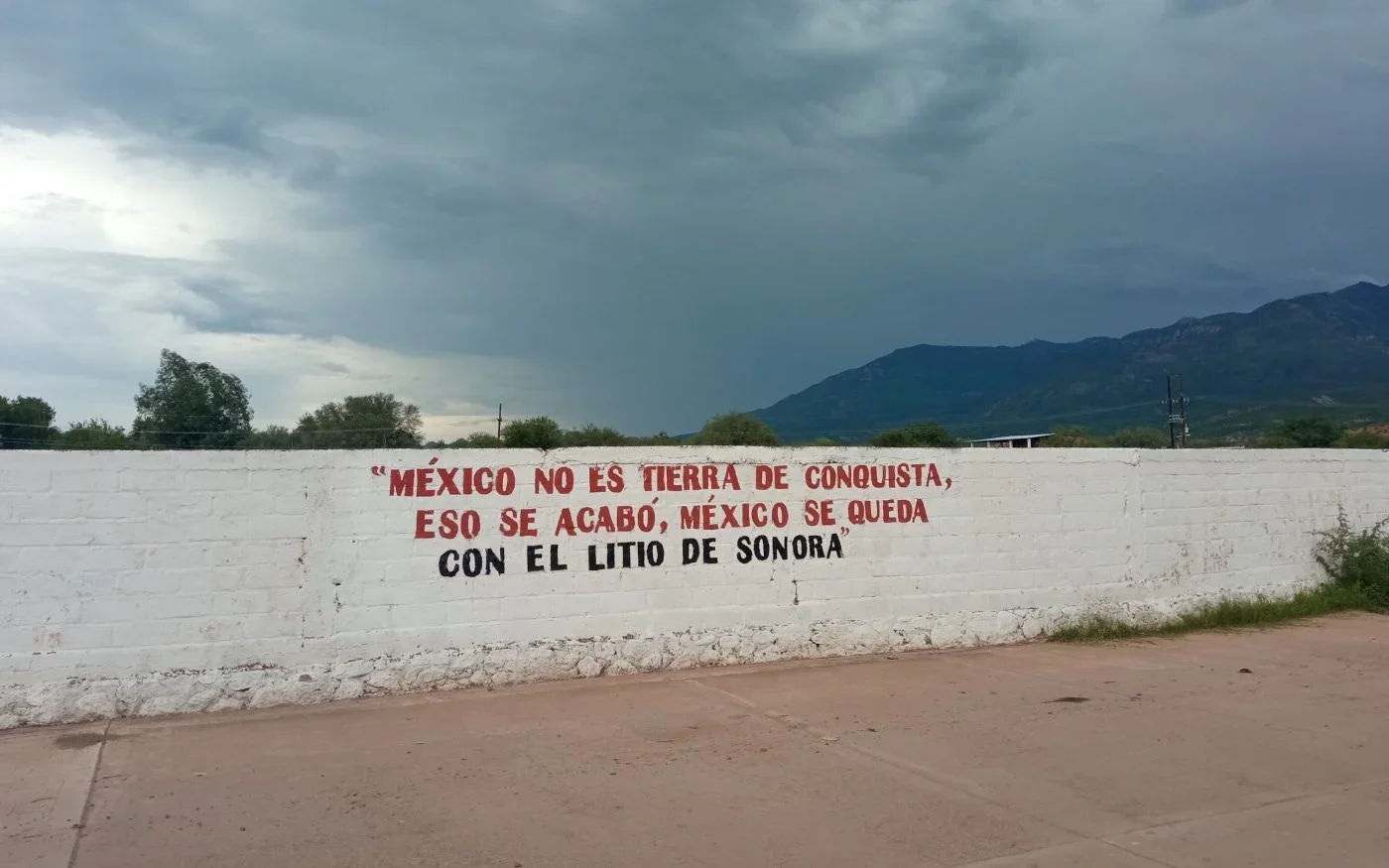
Lithium Zones: Sacrifice, Production and Profit
In Lithium Zones, I investigate the discourses that shape the cultural politics of lithium (Li) in sites and spaces around the world: in Latin America, its site of origin and extraction; in China, its site of production; and in the developed world where consumption coexists with discourse about renewable energy and clean transitions. I critically examine cultural narratives found in the communities where exploitation is taking place but also in corporate and governmental discourse, (as well as those found in fiction: short stories, poetry, as well as documentary film) to reveal, on the one hand, the pressures that are put on this mineral to afford us a presumably clean future, and on the other, the material realities of continued structural inequality and environmental damage of lithium use.
-
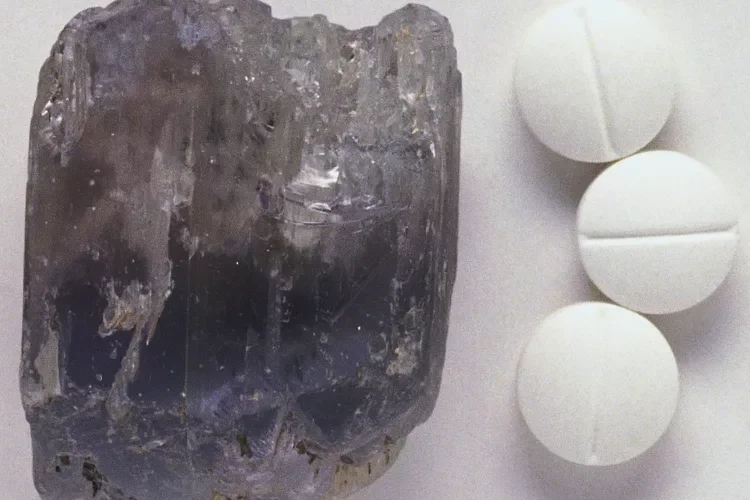
Lithium Between Brain and Battery: A Material–Semiotic Biography of an Element
Lithium is the lightest metal on the periodic table, a soft alkali element that reacts quickly, moves easily, and binds readily. It circulates through brines beneath Andean salt flats and through synapses in the human brain. In one register, it is a mood stabilizer prescribed to people diagnosed with bipolar disorder; in another, it is the essential component of lithium-ion batteries that power smartphones, electric vehicles, and renewable energy storage systems. The same chemical element atomic number 3 thus acquires multiple cultural lives: intimate and infrastructural, therapeutic and extractive, invisible yet world-shaping.
-
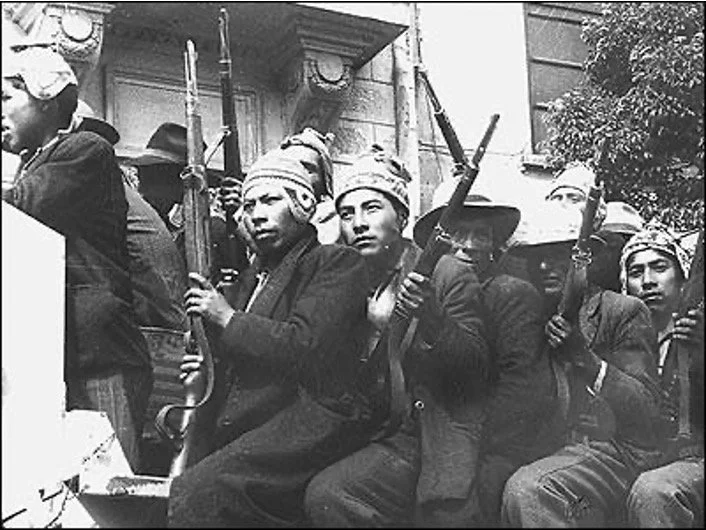
Mineral narratives: Affects, Multitudes and Accumulation in the Andes
Mineral Narratives examines twentieth-century Latin American novels and poetry concerned with the literary representation and politics of mineral accumulation across South American nations during the twentieth century. Focusing on texts from Bolivia, Chile, and Peru, I analyze the effects and affects that global mining and financial flows exerted on human and non-human bodies, and how these forces were registered in the literature of the period. I further examine the ways in which the intensities of the mineral and the metallic shaped modern Latin American history, tracing the impact of extraction on spaces, subjects, and subjectivities across long temporalities, encompassing politics, development, and cultural representation. My aim is to demonstrate how literary texts uniquely reveal the affective dimensions of the developmentalist and extractivist project, including its role in shaping collective subjectivities, behaviors, and desires, in ways that other textual and documentary forms cannot.