-
La Química De La Memoria: A Benjaminean Approach
Investigation on issues of cultural memory in the Latin-American context has increased exponentially in the past two decades. However, the work of visual artists of memory: architects, sculptors or ‘memorialists’ has not yet been systematically analyzed as a constitutive part of the field. In this article, I introduce the German artist Horst Hoheisel and to explore the novel ways that this professional of memory and commemoration has developed when working in South America.
-
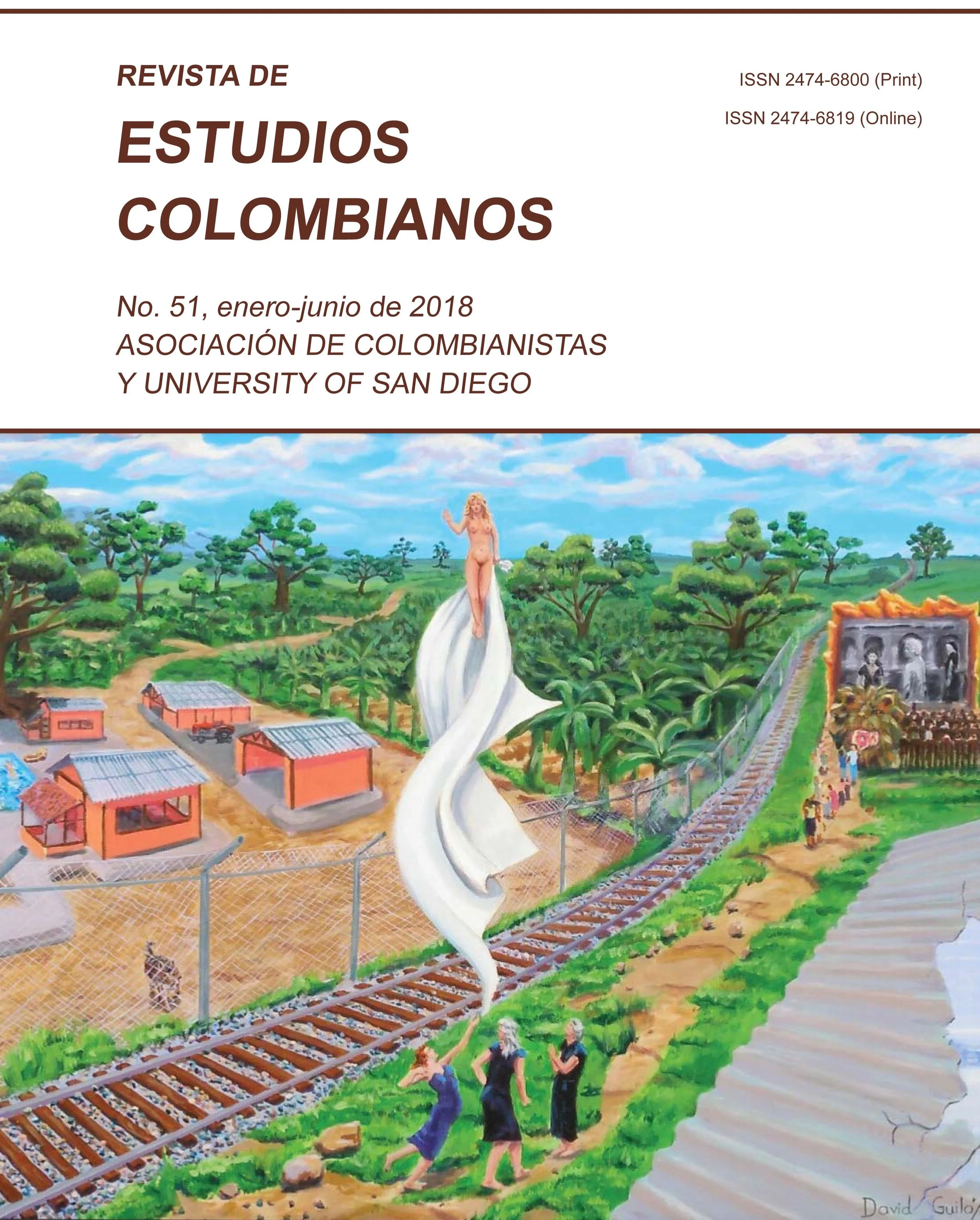
Crónica de la minería de oro en Colombia: de la montaña al texto
Este artículo evalúa la historia literaria minera del pueblo minero de Marmato, Colombia. Partiendo de novelas como Tierra virgen (1897) de Eduardo Zuleta, La bruja de las minas (1938) de Gregorio Sánchez, trazo una línea que sigue la evolución de la literatura minera en Colombia rastreando sus especificidades históricas y culturales. Introduzco el término “Minería Tropical” para categorizar algunas de estas particularidades.
-
Flowers in the Brine: Lithium and Extinction of Life from Nevada to the Atacama Desert
In the high desert of northern Nevada, a small yellow wildflower (Eriogonum tiehmii), commonly known as Tiehm’s buckwheat, has come to stand in the path of a lithium mine. In Chile’s Atacama Desert, vast salt flats shimmer beneath the sun, harboring microbial extremophiles and flamingos whose survival depends on brines now targeted for lithium extraction.
-
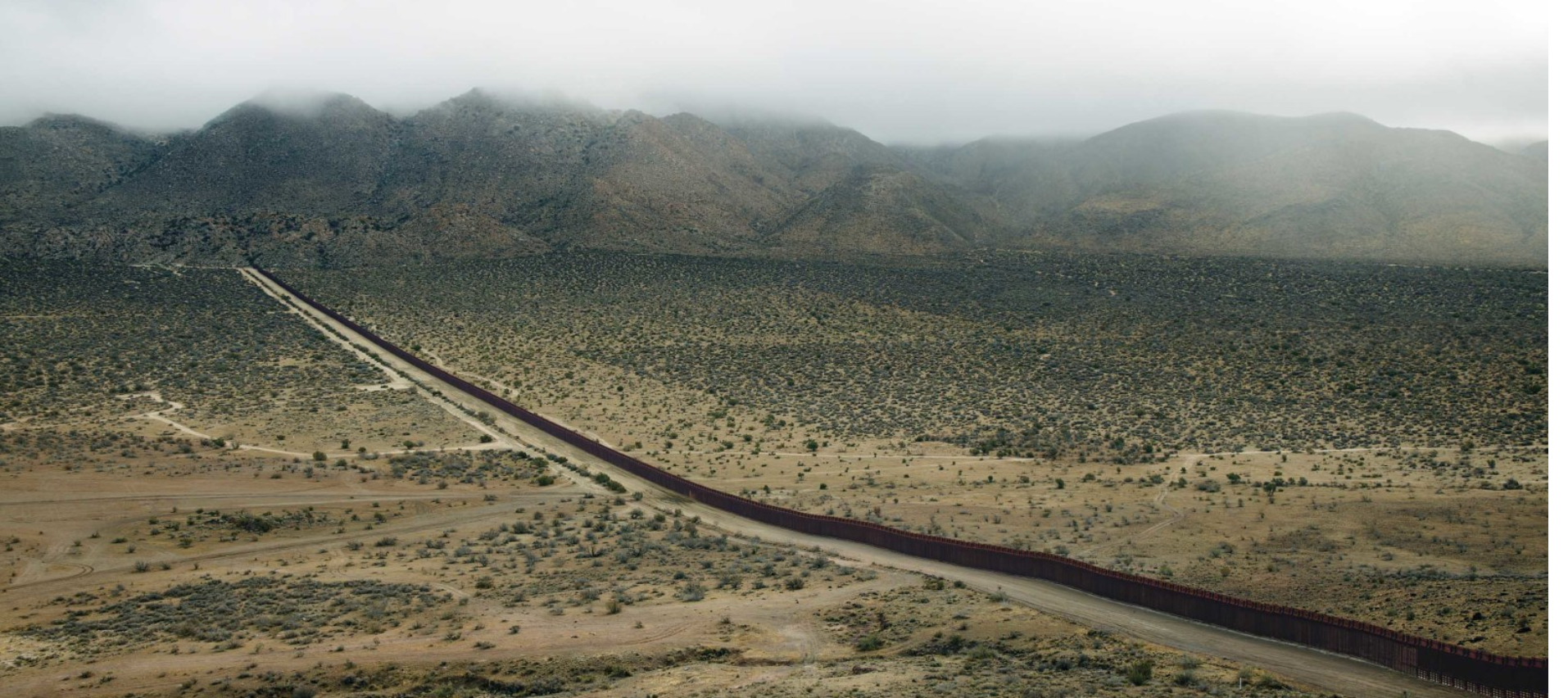
Witnessing disappearances A discussion about the two documentary films Who is Dayani Cristal? (2014) and La Camioneta (2011)
In these two excerpts from larger stories I want to emphasize how witnessing —understood in the broader sense of the term— becomes an overarching “modality of being” in places such as “high contrasts-borders,” like the U.S. - Mexico border.
-
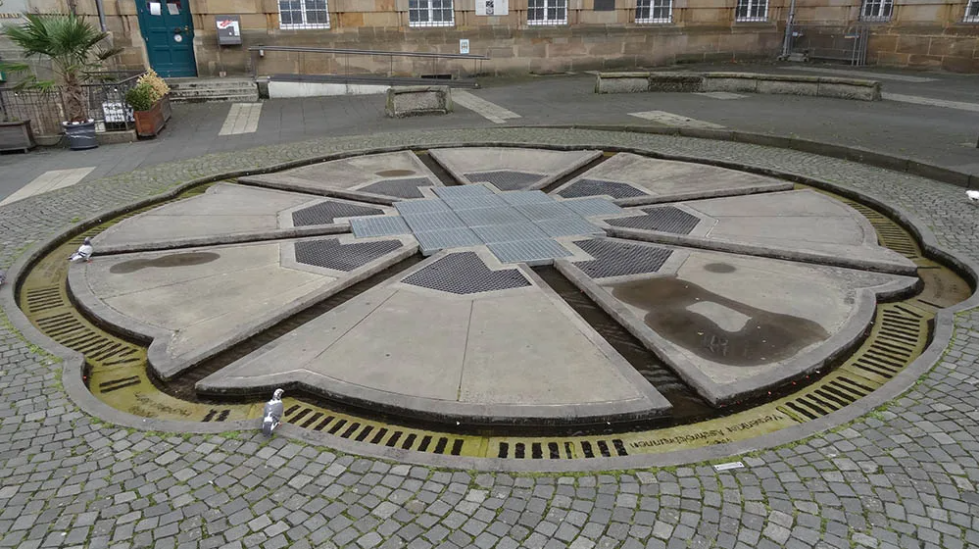
Opinión ¿Qué es una estatua, o mejor, para qué sirve una estatua?
En medio de la reciente oleada de ataques contra monumentos públicos, sería bueno preguntarnos las causas del afán iconoclasta que ronda nuestros días. Pero antes empecemos preguntándonos: ¿Qué es una estatua? ¿Qué representa, o, mejor, qué hace un monumento o una escultura pública?
-
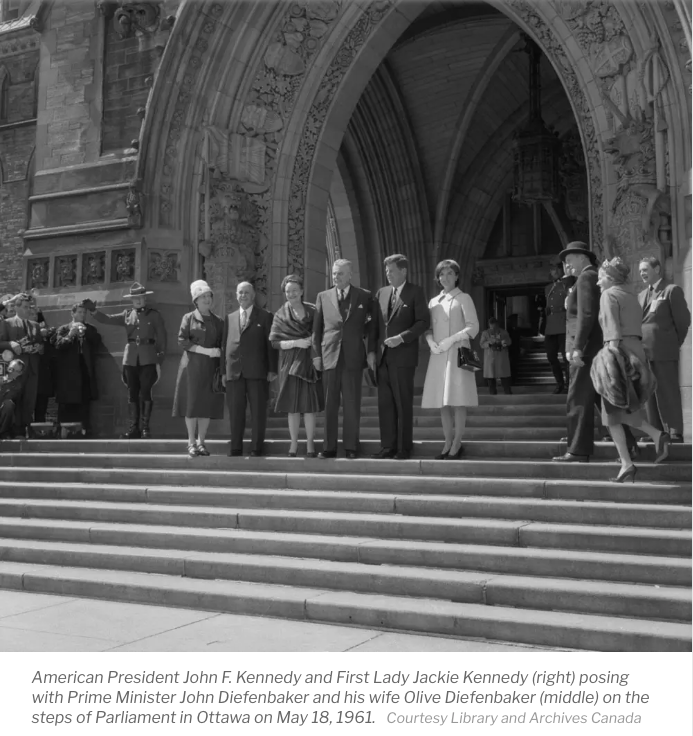
Opinion: What a Cold War-era foreign relations crisis can teach us about today’s
“For those familiar with modern Canadian history, the Bomarc Missile Crisis serves as a reminder of the pattern of aggression from the American executive when Canadian policy has not aligned with their immediate interests,” writes Juan F. Hernandez.
-
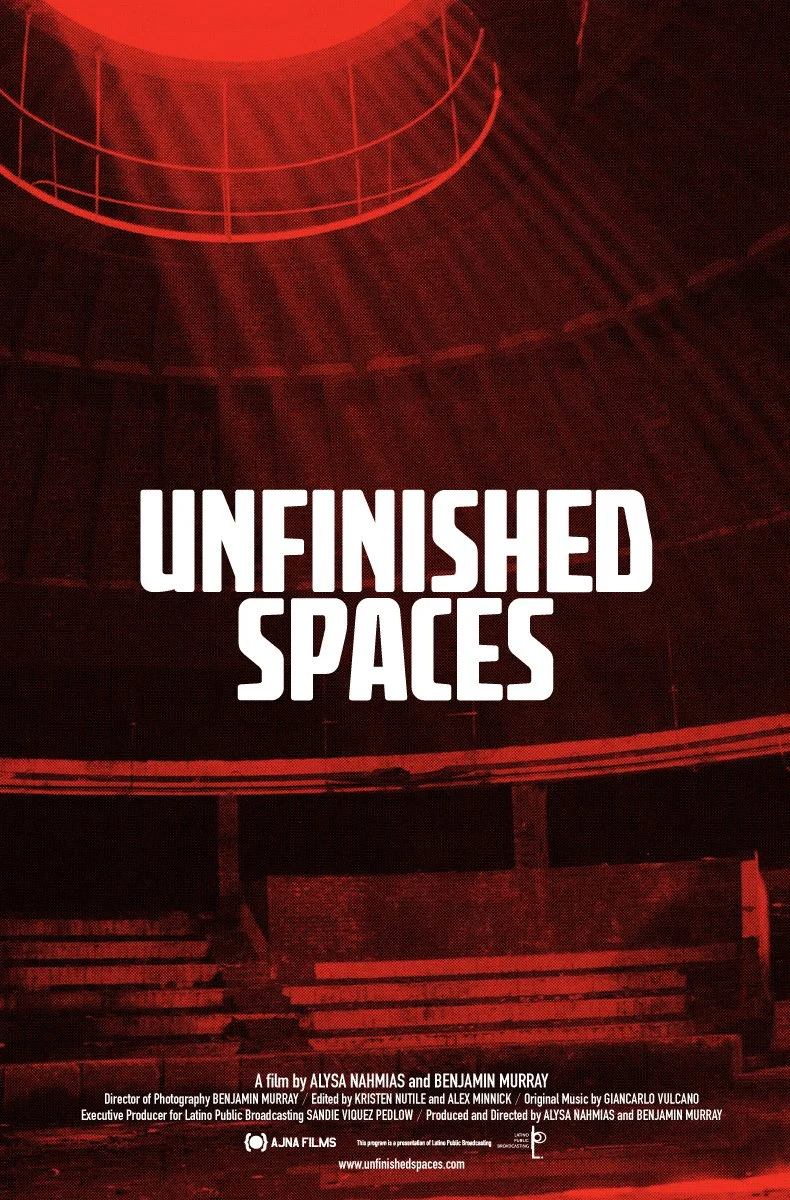
Utopía y arquitectura: la ruina y las Escuelas Nacionales de Arte de La Habana. Reseña sobre "Unfinished Spaces"
Concebidas bajo un impulso descoordinado de Fidel Castro, las Escuelas se materializaron sobre el campo de golf de lo que era, en su época, el club social de la burguesía cubana, el Country Club. Informalmente, pero también de modo autoritario, la burocracia del régimen dictaminó la orden, facilitando la tramitación de la reconversión de esos terrenos. En pocas semanas tres prometedores arquitectos se encontraban trabajando a toda marcha.