Past and Present Courses
As a historian of America (Anglo, French and Latin America) I study long-term changes in hemispheric history focusing on political decisions and environmental forces, currents, and processes.
I teach Canadian, U.S., and Latin American history and current affairs courses both in person and online for universities in British Columbia, Canada and the U.S. Here are some recent offerings.
-
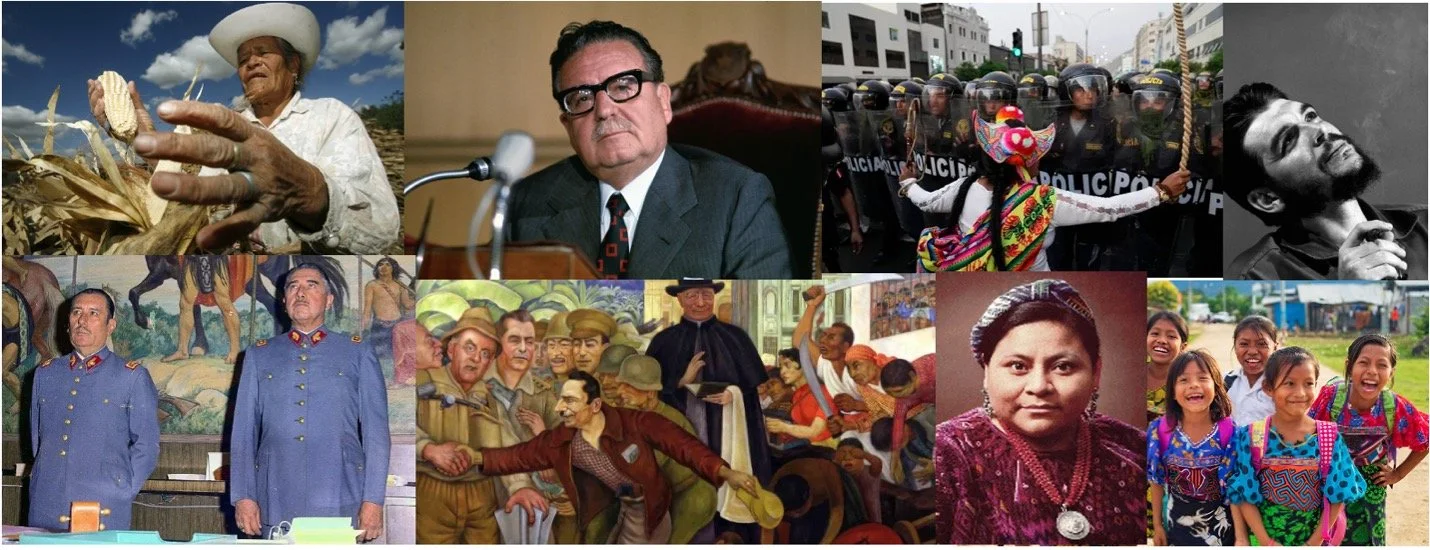
Special Topics: Contemporary Latin America IS-329-4
This is a seminar-style course taught at Simon Fraser University’s School for International Studies that engages in critical analysis of local and global development initiatives in a Latin American context. The course will help students understand the current dynamics of pressing Latin American issues such as Political Instability, Economic Inequality, Migration, Environmental Challenges and Illegal Drug Trade as well as their history and often-surprising interrelated dynamics.
-
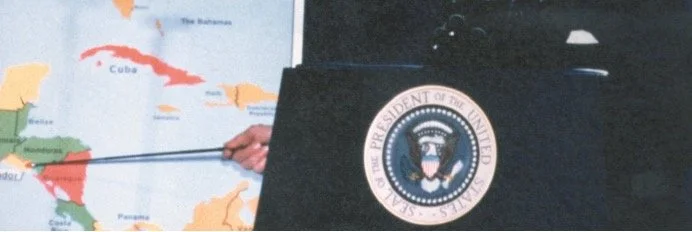
History / LAS 357 From the Big Stick to the CIA: The History of Inter-American Relations
Why has the U.S. government intervened so constantly in Latin America, and with what consequences? How have Latin Americans responded? How have people in the United States responded? What is at stake in how we remember (or forget) this history?
This course examines U.S. motives and actions in Latin America. We will assess the role of the U.S. government and military but also that of corporations, international financial institutions, non-governmental organizations, and the U.S. public.
-
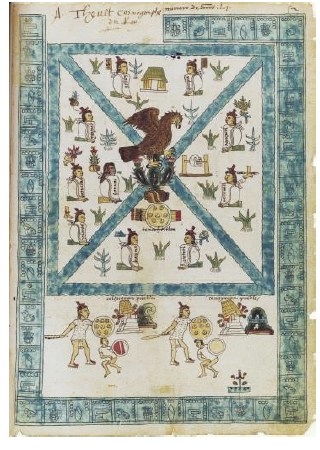
History / LAS - 161 Aztecs, Mayas, and Spaniards
This course examines the complex societies and cultures of the Maya and the Aztecs, the forging of the Aztec Triple Alliance Empire, the unification of Spanish monarchies following centuries of Muslim and Christian rule, the origins of European imperial expansion, and the confrontation of Aztecs, Mayas, and Spaniards in the invasion of Mexico.
-
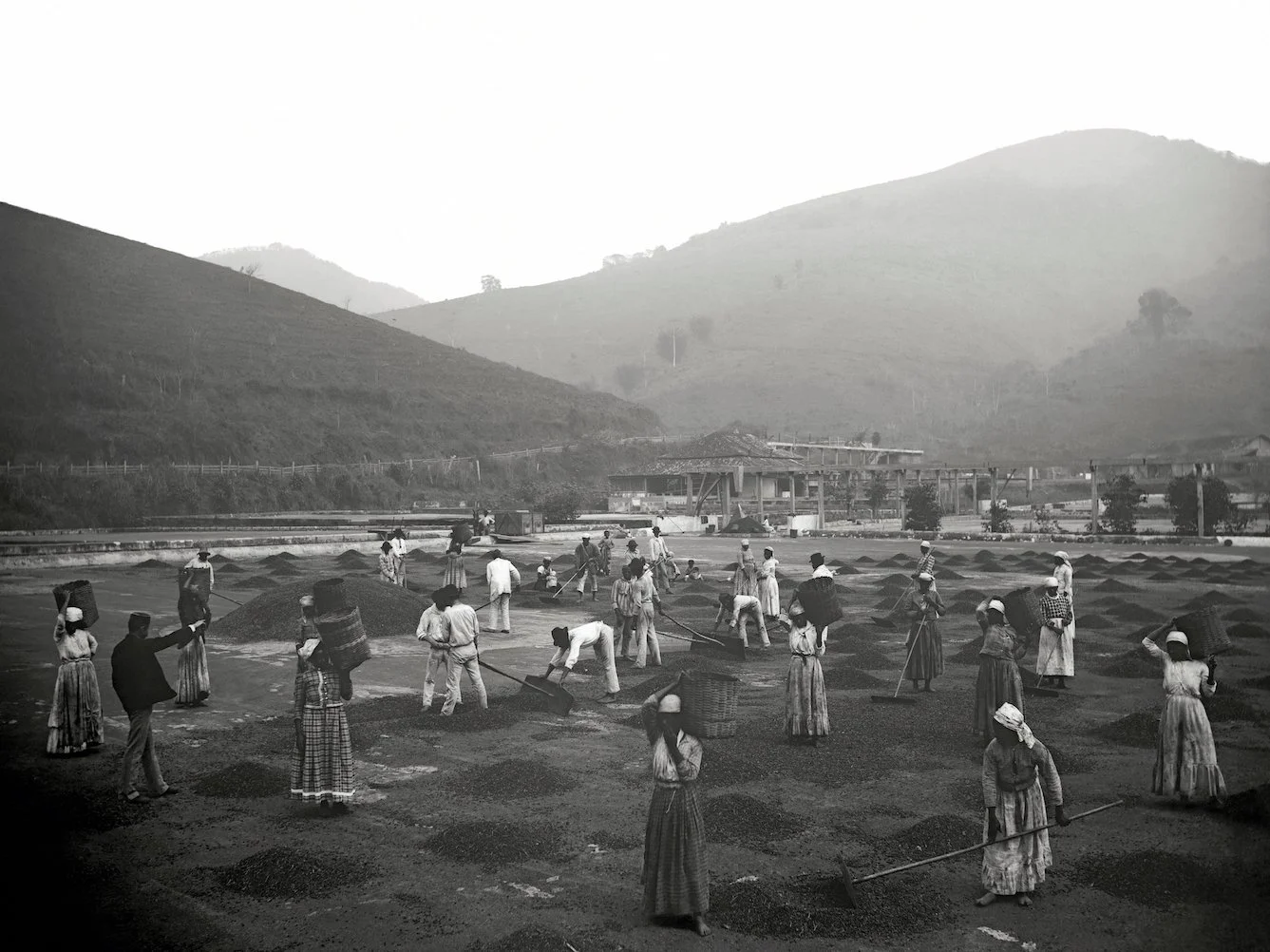
History / LAS - 358 African Slavery in the Americas
We explore the development of the Atlantic slave trade and the history of African slavery in the Americas. It takes a broad view, examining the institution of slavery over four centuries, while considering the diverse experiences of enslaved peoples in the hemisphere’s distinct colonies and early nation-states, from Latin America and the Caribbean to the United States and Canada.
-
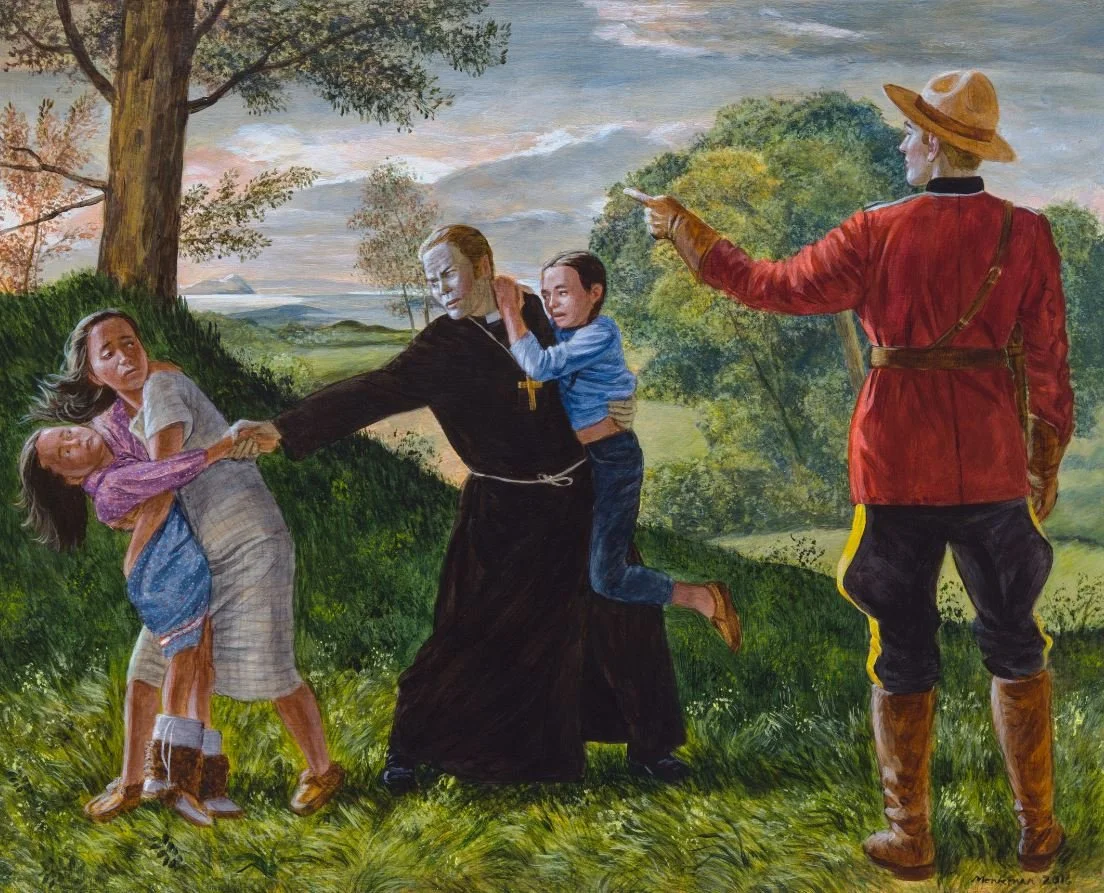
HIST 305 / History of Canada Second Part
I have enjoyed teaching this course for three years now and perfecting it when possible. In this course we examined political, social, cultural, and economic themes in the history of Canada since Confederation in 1867, and focused on key issues, events and processes that shaped Canada as a nation.
My aim is helping students understand processes such as industrialization; urbanization; immigration; changing gender and family roles; Aboriginal people and the state; multiculturalism and immigration; Québec, nationalism and federalism; regionalism; Canadian foreign policy; and the impact of world wars on Canadian society.
-
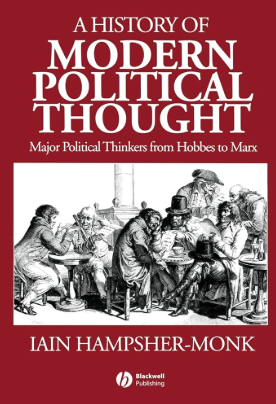
POL210 / Political Thought in the West
I guided students in developing skills for understanding and analyzing political and governmental situations in the contemporary world. The course examined major texts in the history of political thought such as Plato’s Republic, Machiavelli’s The Prince, Hobbes’ Leviathan, Locke’s Two Treatises of Government, Rousseau’s Social Contract, and Marx’s Communist Manifesto. We also discussed questions about the design of the political and social order in the western state.
I designed and implemented a module on Latin American and American relations to expose students to concepts such Empire, Hegemon, Core and Periphery.
-
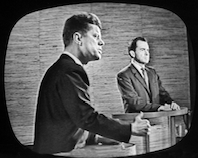
POLI 301 / Media Power and Government
In contemporary culture governments rely upon the mass media in the development and application of public policy. In this class students explored the media role in reporting and assessing the workings of legislative and administrative bodies; and government's roles in regulating and monitoring media practices. I included texts such as Manufacturing Consent: The Political Economy of the Mass Media by Edward S. Herman and Noam Chomsky, Public Opinion by Walter Lippmann and Television: Technology and Cultural Form by Raymond Williams.
My goal was to engage students and consider the ways political thinkers have responded to the media and representation problems of their day and the relationship of the individual to the state.
-
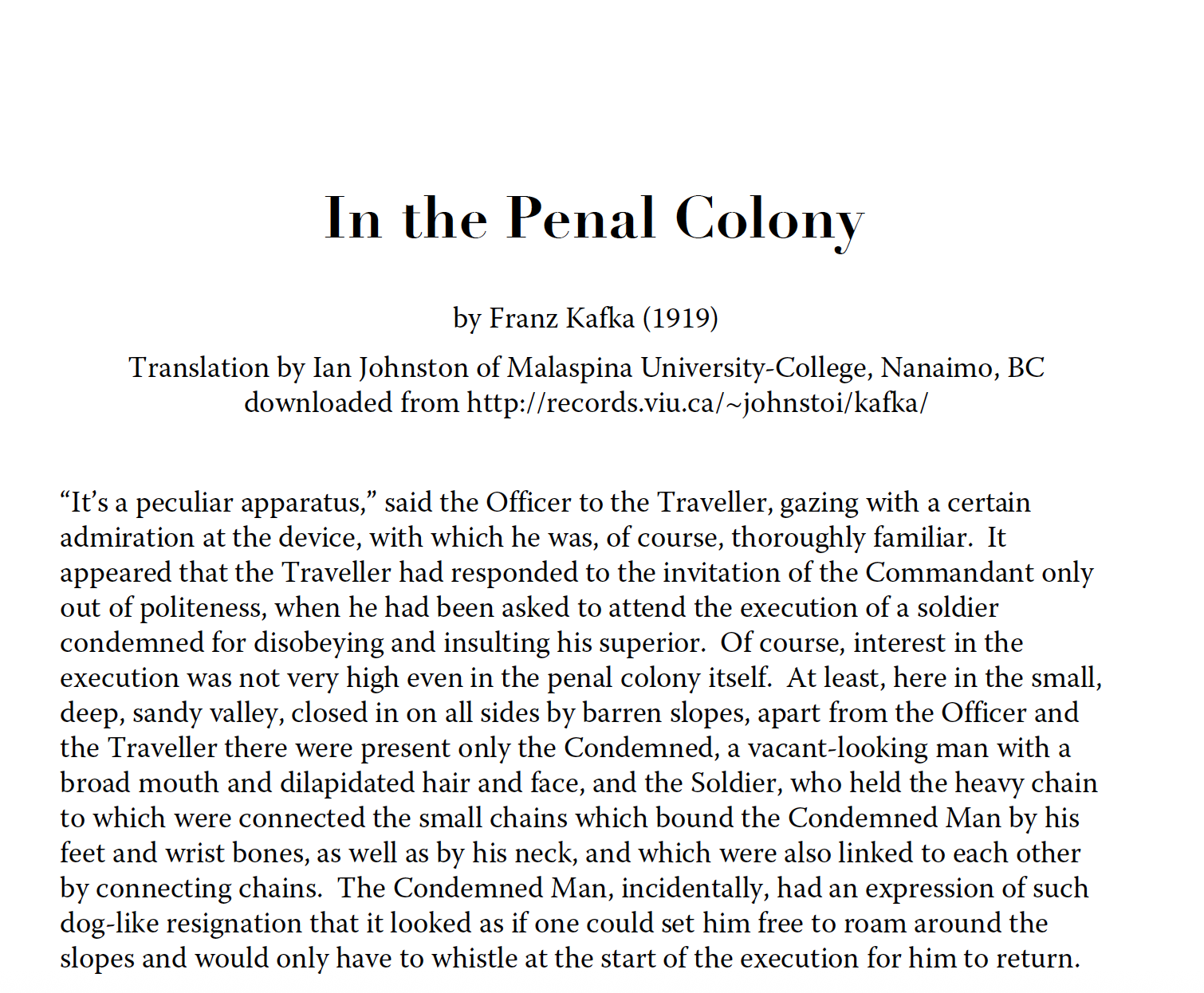
ENG213 / Introduction to Short Fiction
I taught this fascinating literature course where students were introduced to the genre of Short Fiction as they survey different styles and cultural traditions. We traced the works studied within their social, political, and historical contexts. Students also analyzed the effectiveness of adapting Short Fiction to other media. We read works by James Joyce, Franz Kafka, Alice Monroe, Flannery O'Connor, Fredric Brown, WW Jacobs, among others.